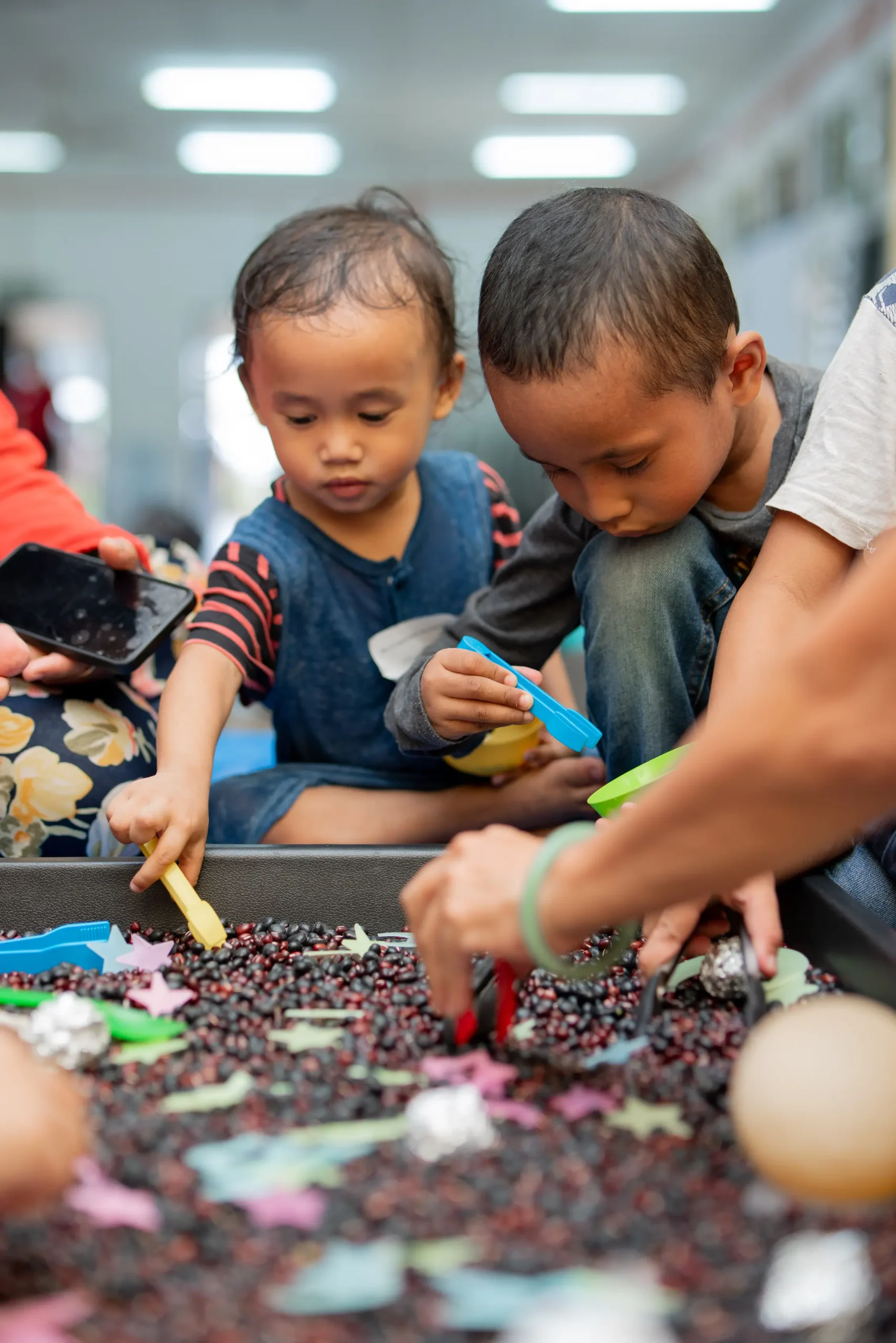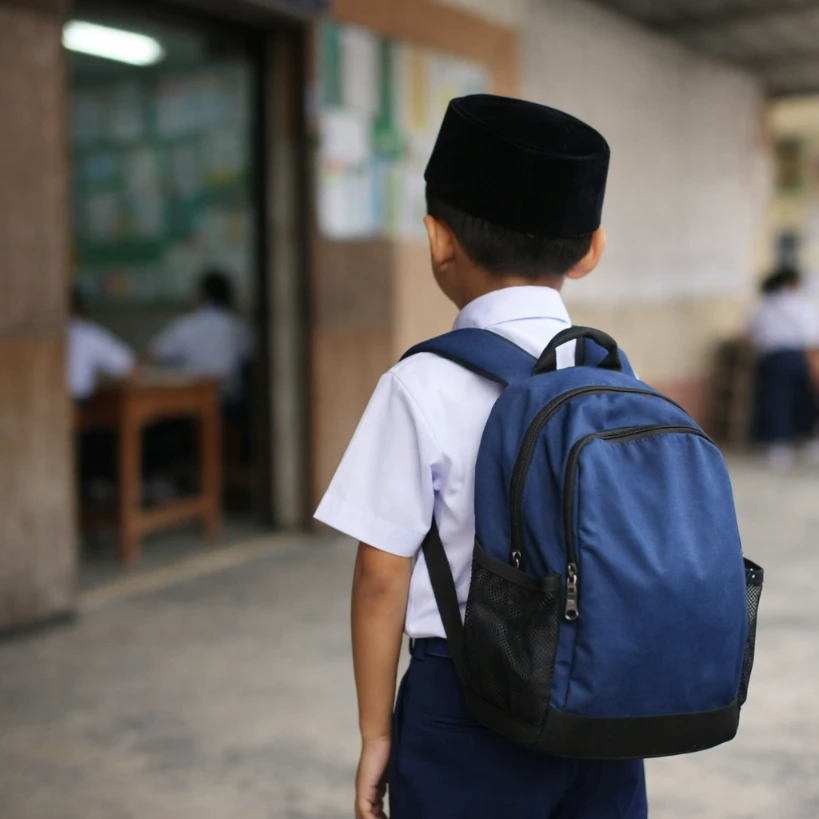

Under Malaysia’s National Education Blueprint 2027–2035, parents will soon have the flexibility to decide whether their child begins Standard 1 at age 6 or 7.
This change has made school readiness in Malaysia an important topic for many families. Parents are increasingly asking a simple but meaningful question:
“Is my child truly ready for primary school?”
School readiness is not only about recognising letters or numbers. It also includes a child’s ability to communicate, follow instructions, manage emotions, and participate confidently in a classroom environment.
Why School Readiness Matters Before Standard 1
Primary school requires children to adjust to a very different learning environment.
They are expected to:
- Follow instructions given to the whole class
- Sit through short lessons or activities
- Participate in group learning
- Manage their own belongings
- Interact and cooperate with other children
These expectations may seem simple, but they can feel overwhelming for children who have not yet developed the necessary confidence or independence.
When children are developmentally ready, they are more likely to adapt well to classroom routines, engage in learning activities, and build positive relationships with their teachers and peers.
A Practical School Readiness Checklist for Parents

While every child develops at their own pace, parents can observe certain everyday behaviours that suggest a child may be ready to transition into Standard 1.
You may notice that your child can:
1. Follow simple instructions
- Follow two-step directions such as “Put your bag away and sit down.”
- Listen and respond when their name is called
2. Participate in group activities
- Sit and listen to a short story or activity for several minutes
- Join group play or classroom-style activities
3. Communicate their needs
- Say “I need help” or explain when something is wrong
- Use simple sentences to express feelings or needs
4. Interact with other children
- Take turns during games or activities
- Play cooperatively with peers
5. Manage basic independence
- Handle simple self-care tasks such as using the toilet
- Open lunch containers or snack wrappers
- Put away personal belongings
6. Show curiosity and willingness to try
- Attempt new activities even if unsure
- Show interest in books, stories, or simple learning tasks
These behaviours do not need to be perfect. Instead, they indicate that a child is gradually developing the confidence and independence needed to function in a structured classroom environment.
If some areas are still developing, that is completely normal. School readiness is a gradual process, and children often continue building these skills over time.
The Five Core Domains of School Readiness
Most school readiness frameworks group developmental skills into five key areas. Understanding these domains can help parents better interpret what they observe in their child.
1. Literacy and Language
Children begin building readiness when they are able to:
- Recognise letters or basic words
- Understand simple instructions
- Express their needs using words
- Listen and respond during group activities
These early communication skills help children follow lessons and participate in class discussions.
2. Numeracy and Cognitive Skills
Children show early cognitive readiness when they can:
- Recognise numbers
- Count basic quantities
- Sort or match objects
- Identify patterns or sequences
These abilities help children understand early mathematical concepts introduced in primary school.
3. Social and Emotional Development
Emotional readiness plays a major role in how children adapt to school.
Signs of development in this area include:
- Taking turns during activities
- Cooperating with peers
- Managing frustration or disappointment
- Asking for help when needed
Children who can regulate their emotions tend to adapt more easily to classroom routines.
4. Motor Skills
Motor development supports many classroom tasks.
Children build readiness when they can:
- Use crayons or pencils with basic control
- Cut with scissors
- Run, balance, or coordinate movements during physical activities
These skills support both writing tasks and physical play.
5. Learning Behaviour and Confidence
Another important part of school readiness is how children approach learning itself.
Children demonstrate readiness when they are able to:
- Focus on short tasks
- Follow classroom routines
- Participate willingly in activities
- Try new tasks even when unsure
Confidence and curiosity play an important role in helping children adapt to a new learning environment.
What Is School Readiness?
School readiness refers to a child’s ability to successfully transition into a formal learning environment such as primary school.
Rather than focusing on one specific skill, readiness is usually understood through several developmental domains including language, cognitive skills, motor development, and social-emotional abilities.
These domains are reflected in several established early childhood development frameworks, including:
- Kurikulum Standard Prasekolah Kebangsaan (KSPK) from the Malaysian Ministry of Education
- Pathways.org’s Ability Checklist for developmental skills
- Milestones Checklists by the US Centers for Disease Control and Prevention (CDC)
These frameworks help educators and parents observe whether children are developing the foundational abilities needed to transition into structured learning environments.
A child who reads early but struggles to follow instructions or interact with peers may still find the classroom challenging. At the same time, a child who is emotionally confident and able to participate in group activities often adapts more smoothly to school life.
The Often Overlooked Factor: Parental Readiness

While much attention is placed on children’s abilities, research consistently shows that parent involvement plays a major role in school readiness. A study examining children enrolled in early education programmes found that stronger parental engagement is associated with better language, cognitive, and behavioural readiness outcomes.
Associations between parental involvement and school readiness for children enrolled in Head Start and other early education programs and the Encyclopedia on Early Childhood Development highlights that supportive home environments and consistent parental guidance help children adapt more easily to school routines and expectations.
In simple terms, children often develop readiness through everyday interactions at home.
Reading together, practicing routines, encouraging independence, and guiding children through small challenges all help build confidence before they enter primary school.
Final Thoughts on School Readiness Malaysia
School readiness in Malaysia is not determined by age alone.
It develops gradually through a combination of language skills, emotional development, independence, and everyday learning experiences.
When parents understand what readiness looks like, they are better able to support their children through this important transition.
Parents can also explore ways to support their child’s early learning journey through simple tools and guided play at home.
Rather than rushing children to perform academically, the goal is to help them feel confident, capable, and ready to participate when they begin their primary school journey.